Ready for practice – Gain confidence in your role as a coach
Training programme for new and inexperienced coaches in sports clubs
Being a coach is about much more than exercises and techniques. It is about creating positive experiences that help children and young people learn, grow, and enjoy sport. This training programme gives new coaches a practical introduction to the coaching role and provides concrete tools to help them create fun, safe, and development-focused training sessions from day one.
Purpose
The course is designed to help new coaches feel confident in practice. Participants gain a simple and practical understanding of how to deliver training sessions where children and young people thrive, learn, and enjoy sport.
Target group
- New coaches in sports clubs
- Young coaches with little or no coaching experience
- Volunteers beginning to lead training activities
Programme content
1. The coaching role – More than technique
As a coach, you are an instructor, motivator, and role model.
Topics include:
- Creating motivation and a sense of community
- Supporting children's wellbeing and development
- Building positive relationships and a safe environment
2. Creating fun, safe, and development-focused training
Effective youth coaching is built upon three key principles:
- Fun and play as drivers of participation and learning
- A safe environment where participants feel comfortable making mistakes
- Training sessions that match participants' abilities and provide appropriate challenges
3. Simple tools for training planning
Training plans do not have to be complicated, but they make a significant difference.
Participants will learn:
- How to plan a simple training session
- How to identify objectives and select exercises
- How to evaluate and improve their training sessions
4. Structuring a training session
A clear structure creates confidence and organization for both coaches and participants.
A simple session framework includes:
- Welcome and introduction
- Play-based warm-up activities
- Technical exercises and skill development
- Games and practical application
- Conclusion and reflection
5. Instruction and feedback
Coaches should make learning simple, engaging, and motivating.
Focus areas:
- The instruction model: Demonstrate – Explain – Demonstrate – Practice
- Giving short and clear instructions
- Providing feedback that motivates and supports learning
6. Coaching children and young People
Children and young people develop at different rates, and training should reflect these differences.
Topics include:
- Understanding age-related differences
- Adapting exercises and training intensity
- Focusing on development rather than results
7. Creating the right training environment
Small details can have a major impact on participants' experiences.
Topics include:
- Creating a positive welcome
- Using games and play in warm-up activities
- Finishing sessions with reflection and team discussions
8. Learning through reflection
Improvement as a coach happens over time through continuous reflection and learning.
Participants will work with:
- Simple post-session evaluation methods
- Reflection questions for self-assessment
- Strategies for ongoing personal development as a coach
Learning outcomes
After completing the course, you will:
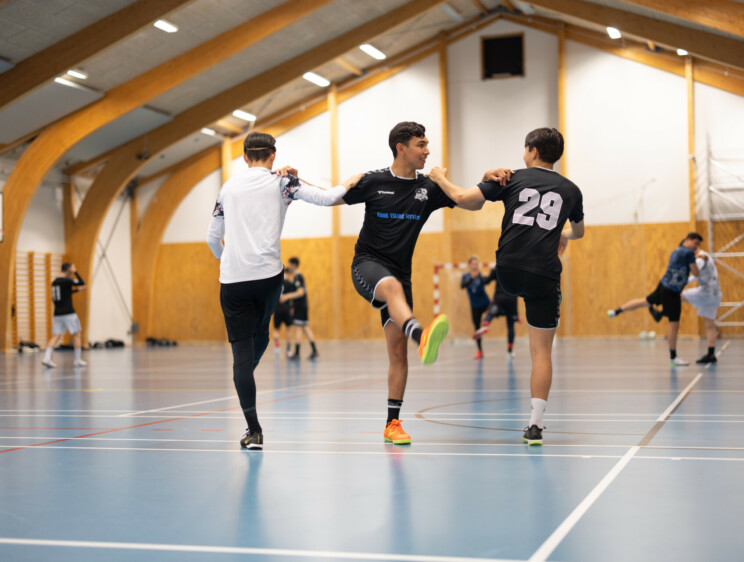
- Feel confident in your role as a coach
- Have practical tools for planning and delivering training sessions
- Be able to create fun, safe, and engaging training environments
- Be able to provide motivating and constructive feedback
- Better support the development and enjoyment of your athletes
Programme format
The programme can be delivered as:
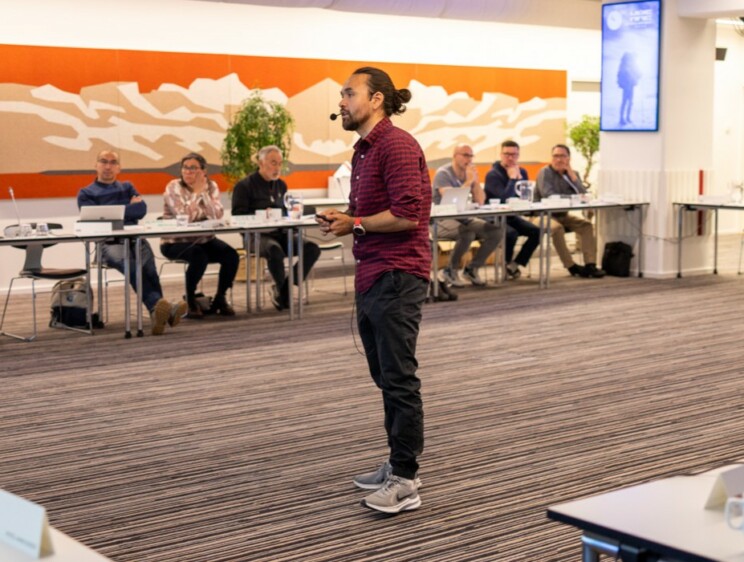
- An introductory course for new coaches
- A short, practice-based programme using exercises and case studies
- A combination of classroom learning and on-field coaching practice
The training emphasizes learning by doing, allowing participants to quickly apply what they learn in their everyday coaching activities.